
Introduction
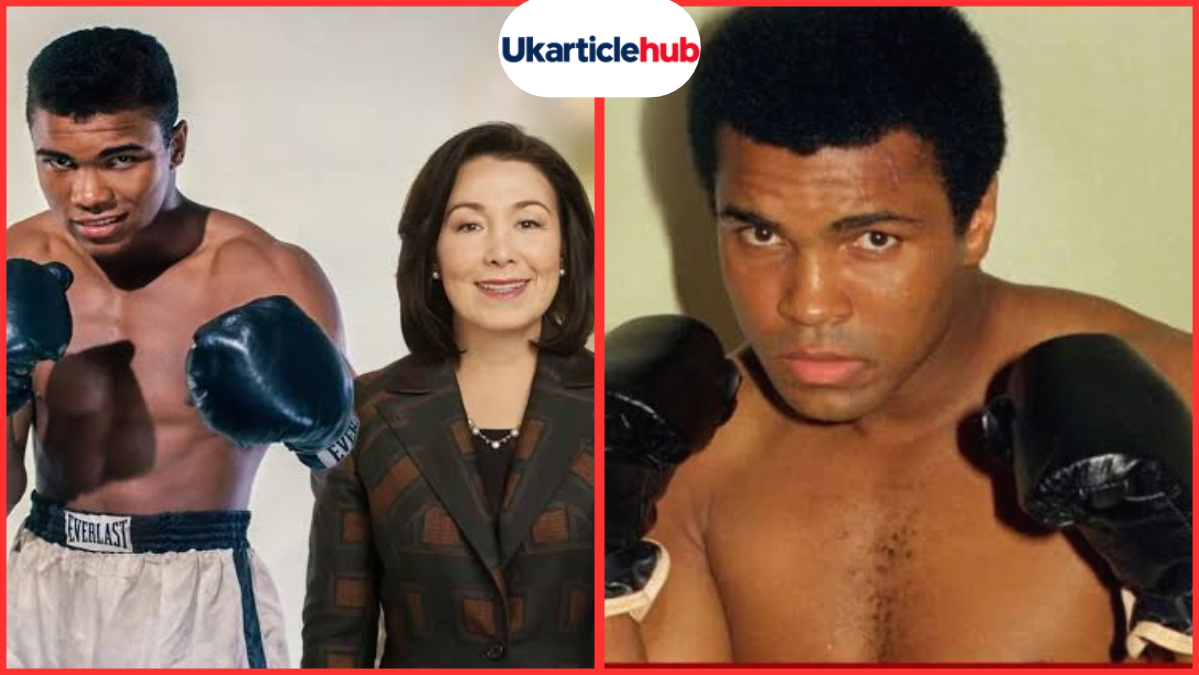
Muhammad Ali and Safra Catz are two internationally recognised names associated with very different areas of achievement. Muhammad Ali became one of the most celebrated heavyweight boxers in sporting history, while Safra Catz established herself as a powerful business executive through her leadership at Oracle. Although their professional journeys took place in separate industries, both individuals became influential figures whose accomplishments attracted worldwide attention.
The keyword “Muhammad Ali and Safra Catz” raises an interesting question about whether these two personalities share a family, personal, or professional connection. Their names may appear together in online searches, but it is important to distinguish documented information from assumptions. A comparison of their biographies reveals two remarkable stories shaped by ambition, determination, leadership, and individual accomplishments.
There is no reliable public evidence establishing that Muhammad Ali and Safra Catz were relatives, business partners, or close personal associates. Their individual achievements, however, provide an interesting opportunity to examine two different approaches to success. One transformed professional boxing and became a global cultural icon, while the other helped lead one of the world’s most influential technology companies.
Who Was Muhammad Ali?
Muhammad Ali, born Cassius Marcellus Clay Jr. on January 17, 1942, in Louisville, Kentucky, was an American professional boxer, humanitarian, and social activist. He became famous for his extraordinary boxing abilities, confident personality, quick footwork, and memorable public statements. His influence extended far beyond the boxing ring, making him one of the most recognisable sporting personalities of the twentieth century.
Ali discovered boxing when he was just twelve years old. After his bicycle was stolen, he reportedly encountered police officer and boxing coach Joe Martin, who encouraged him to learn how to fight. That experience introduced him to a sport that would eventually change his life. Through consistent training and dedication, he developed into an outstanding amateur boxer and won a gold medal in the light heavyweight division at the 1960 Olympic Games in Rome.
His professional career took off rapidly, and in 1964 he defeated Sonny Liston to become the world heavyweight champion. Around this period, he changed his name from Cassius Clay to Muhammad Ali after joining the Nation of Islam. His boxing achievements, outspoken personality, and willingness to challenge established expectations made him a major figure in American culture. Ali eventually became a three-time world heavyweight champion and finished his professional career with 56 victories and five defeats.
Who Is Safra Catz?
Safra Catz is an internationally recognised business executive best known for her long association with Oracle Corporation, one of the world’s leading enterprise technology companies. Born in Israel, she moved to the United States with her family when she was six years old. Her professional journey reflects a combination of academic achievement, financial expertise, strategic thinking, and corporate leadership.
Catz studied at the University of Pennsylvania, earning an undergraduate degree and a law degree. Before joining Oracle, she developed her professional experience in investment banking at Donaldson, Lufkin & Jenrette. Her background in finance provided valuable preparation for the complex responsibilities she would later handle in the technology industry.
She joined Oracle in 1999 and gradually became one of the company’s most influential executives. During her career, she held several senior positions, including chief financial officer, president, and chief executive officer. In September 2014, she became a co-CEO alongside Mark Hurd. Following Hurd’s death in 2019, she continued leading the company as its sole CEO. In September 2025, Oracle appointed Clay Magouyrk and Mike Sicilia as CEOs, while Catz became executive vice chair of the company’s board. Her career remains an important example of leadership in the global technology sector.
Are Muhammad Ali and Safra Catz Related?
One of the most interesting questions surrounding the keyword Muhammad Ali and Safra Catz concerns whether the two individuals have a family relationship. Based on available reliable public information, there is no established evidence that they are related by blood or marriage. Their biographies describe different family backgrounds, professional interests, and personal histories.
Muhammad Ali came from a family in Louisville, Kentucky. His parents were Odessa Grady Clay and Cassius Marcellus Clay Sr. His upbringing and experiences with racial discrimination influenced many of his later views about equality, identity, and social justice. His family life also became part of his public story as he grew into an internationally recognised athlete.
Safra Catz, meanwhile, was born in Israel and developed her career after moving to the United States as a child. Her family background and education are different from those documented in Ali’s biography. Although both individuals achieved considerable recognition in American public life, no credible biographical record establishes a direct family connection between them. It would therefore be inaccurate to describe them as relatives without supporting evidence.
Did Muhammad Ali and Safra Catz Ever Work Together?
Another question people may have is whether Muhammad Ali and Safra Catz shared a professional relationship. Their careers developed in very different industries, making a direct professional partnership difficult to establish. Ali spent most of his professional life in boxing, sports entertainment, public advocacy, and humanitarian activities. Catz built her reputation in investment banking and corporate technology leadership.
Ali’s professional responsibilities included competing in major boxing events, promoting sporting activities, participating in charitable initiatives, and supporting causes important to him. His influence also extended into advertising, entertainment, and international public appearances. Over several decades, he became a recognised personality whose name was associated with courage, confidence, and social responsibility.
Safra Catz’s professional work focused on financial management, corporate strategy, acquisitions, and technology business operations. At Oracle, she played an important role in the company’s development and expansion. However, available public biographies and corporate information do not establish that she worked directly with Muhammad Ali or managed any part of his professional career. Their achievements can be compared, but a professional partnership should not be presented as an established fact.
Comparing Their Careers and Achievements
Muhammad Ali and Safra Catz demonstrate how success can develop through completely different professional paths. Ali relied on physical ability, athletic discipline, mental strength, and competitive determination to become a world champion. His career required years of training, preparation, and the ability to perform under enormous public pressure. Every major fight brought new challenges, and his willingness to face difficult opponents helped establish his reputation.
Catz achieved success through financial knowledge, business experience, decision-making, and corporate leadership. Managing a global technology company requires a different collection of skills from those needed in professional boxing. Her responsibilities included overseeing major business operations, supporting strategic decisions, and helping Oracle compete in an increasingly competitive technology market.
Despite their differences, both personalities demonstrated the importance of preparation and consistency. Ali became famous for his ability to adapt during fights, while Catz became recognised for her involvement in important corporate decisions. Their stories show that influence does not belong to one particular profession. People can achieve international recognition through sport, business, leadership, and contributions to society.
Muhammad Ali’s Legacy Beyond Boxing
Muhammad Ali’s influence cannot be measured only through championship titles and professional statistics. He became an important cultural figure because he was willing to express his beliefs even when doing so created controversy. His refusal to serve in the Vietnam War because of his religious convictions became one of the defining moments of his public life.
In 1967, Ali refused military induction and faced serious legal and professional consequences. He was convicted, stripped of his heavyweight title, and prevented from boxing during a significant part of his athletic career. The United States Supreme Court overturned his conviction in 1971. His decision remains an important part of discussions about religious freedom, individual conscience, and civil rights.
After retiring from professional boxing in 1981, Ali devoted considerable attention to humanitarian and charitable activities. He supported initiatives involving education, poverty, and international cooperation. He also became known for promoting compassion and understanding between different communities. Muhammad Ali died on June 3, 2016, at the age of 74, but his influence continues through sporting institutions, charitable organisations, and the Muhammad Ali Center.
Safra Catz’s Influence on the Technology Industry
Safra Catz’s professional influence is closely connected to Oracle’s growth and development. The company has become an important provider of database software, enterprise applications, and cloud infrastructure. During her leadership, Catz was involved in significant corporate decisions that helped strengthen Oracle’s position in the international technology market.
One notable aspect of her career was her involvement in Oracle’s acquisition strategy. The company completed numerous acquisitions over the years, expanding its product offerings and strengthening its position across different areas of enterprise technology. These transactions required financial planning, negotiation, and an understanding of long-term business opportunities.
Her experience also highlights the increasing importance of financial expertise in technology leadership. Modern technology companies must manage research and development, international operations, customer relationships, and substantial investments in infrastructure. Catz’s background in investment banking and corporate finance helped shape her approach to these responsibilities. Her appointment as executive vice chair in 2025 marked a new chapter in her long relationship with Oracle.
Why Are Muhammad Ali and Safra Catz Mentioned Together?
There are several possible reasons why people might search for Muhammad Ali and Safra Catz together. Search engines sometimes associate public figures because their names appear on comparison pages, biography websites, or articles discussing influential personalities. This does not necessarily indicate that the individuals have a shared history.
Another possibility is that readers are researching different aspects of public influence. Ali represents sporting excellence and social activism, whereas Catz represents corporate leadership and technological development. Comparing their careers can help readers understand how people from different backgrounds achieve recognition and influence.
However, online repetition should never be treated as proof of a personal or professional relationship. A reliable connection requires supporting documentation, such as credible interviews, official biographies, company records, or other trustworthy historical material. At present, no established evidence confirms a meaningful relationship between these two personalities. Keeping that distinction clear helps readers avoid misinformation.
Frequently Asked Questions
1. Are Muhammad Ali and Safra Catz related?
There is no reliable public evidence establishing that Muhammad Ali and Safra Catz are related. Their documented family backgrounds are different, and their biographies do not identify a family connection.
2. Who was Muhammad Ali?
Muhammad Ali was an American professional boxer, humanitarian, and social activist. He became a three-time world heavyweight champion and won an Olympic gold medal in 1960. He is widely remembered for his boxing achievements and outspoken personality.
3. Who is Safra Catz?
Safra Catz is a prominent business executive associated with Oracle Corporation. She previously served as the company’s CEO and president and currently holds the position of executive vice chair of Oracle’s board.
4. Did Muhammad Ali and Safra Catz work together?
No documented professional partnership between them has been established. Ali’s career focused on boxing and humanitarian activities, while Catz built her career in finance and technology.
5. When did Muhammad Ali die?
Muhammad Ali died on June 3, 2016, in Scottsdale, Arizona. He was 74 years old. His legacy continues through his sporting achievements and humanitarian contributions.
6. Is Safra Catz still the CEO of Oracle?
No. Safra Catz stepped down as Oracle’s CEO in September 2025. She became executive vice chair of the Oracle board, while Clay Magouyrk and Mike Sicilia took over as the company’s CEOs.
7. What made Muhammad Ali famous?
Ali became famous for his exceptional boxing ability, heavyweight championship victories, distinctive personality, and public positions on important social and political issues. His influence extended well beyond professional sport.
Conclusion
Muhammad Ali and Safra Catz represent two different but equally interesting examples of achievement and influence. Ali changed the world of professional boxing through his athletic ability, confidence, and willingness to stand behind his personal beliefs. Safra Catz established herself as an influential business leader through her financial expertise, corporate experience, and long career at Oracle.
Although their names may appear together in online searches, there is no verified public evidence establishing a family relationship, personal friendship, or professional partnership between them. Their individual biographies tell separate stories shaped by different experiences and ambitions.
Ultimately, the most accurate way to understand Muhammad Ali and Safra Catz is to appreciate their achievements independently. Ali remains an enduring symbol of sporting excellence and humanitarian commitment, while Catz represents an influential career in international business and technology. Both demonstrate that determination, expertise, and leadership can create a lasting impact in very different fields.